Income and Earning Potential
Cost of Living Index27.2 / 78.8 Surabaya Philadelphia
h2
Philadelphia presents a significantly more lucrative financial landscape compared to Surabaya. The average monthly net income in Philadelphia stands at $4,382, nearly five times higher than the $822 observed in Surabaya. This substantial income differential directly impacts the cost of living and overall standard of living. Higher salaries in Philadelphia translate to greater purchasing power for goods, services, and housing, although these advantages are partially offset by the city's significantly higher cost of living. The economic environment in Philadelphia, reflected in its GDP per capita of $74,600 versus Surabaya's $6,300, suggests a more developed economy with potentially more diverse job opportunities and career advancement prospects. This economic disparity fundamentally shapes the financial realities for individuals and families considering life in either city.
Housing and Accommodation Costs
Health Care Index68.9 / 71.1 Pollution Index55.9 / 47.7 Surabaya Philadelphia
h2
The most pronounced difference between the two cities lies in their housing markets. Philadelphia's property market is substantially more expensive, with central city apartments costing $4,100 per square meter compared to Surabaya's $250. This translates to vastly different living expenses, particularly for urban dwellers. A one-bedroom apartment in Philadelphia's city center averages $1,922 per month, over two-and-a-half times more expensive than the $750 typical in Surabaya's central areas. This significant cost differential extends beyond initial accommodation expenses, impacting long-term affordability and potentially limiting housing choices in Philadelphia. While Surabaya offers more accessible housing options, Philadelphia's higher property values align with its higher incomes but still represent a substantially greater financial burden, especially for lower and middle-income households.
Daily Living Expenses and Transportation
Property Price to Income Ratio28.7 / 3.4 Purchasing Power Index30.8 / 144.4 Surabaya Philadelphia
h2
Beyond housing, Philadelphia generally exhibits higher costs for essential daily goods and services. Food, transportation, utilities, and leisure activities tend to be more expensive in Philadelphia. For instance, while basic groceries might be slightly cheaper in Surabaya (though international prices differ), transportation costs reveal a stark contrast. A monthly public transport pass in Philadelphia costs $96, significantly higher than the combined cost of a Surabaya bus ticket and potentially a motorcycle rental. The higher fuel costs in Philadelphia ($0.84/L vs. $0.70/L in Surabaya) further contribute to this disparity. These cumulative daily expenses mean that, even after accounting for potentially higher salaries, the cost of maintaining a lifestyle in Philadelphia is considerably greater than in Surabaya, particularly for essential living expenses.
Safety and Security Considerations
Quality of Life Index104.9 / 166.5 Surabaya Philadelphia
h2
Safety presents a complex picture when comparing the two cities. Surabaya demonstrates significantly lower crime rates, particularly concerning personal safety and property crime, making it a safer environment for most residents. Philadelphia, conversely, faces more significant public safety challenges, which can impact quality of life and peace of mind. While both cities have areas with varying safety levels, the overall crime statistics suggest a higher risk environment in Philadelphia. This safety differential is a crucial factor for many individuals and families when evaluating quality of life, as perceptions of safety directly influence well-being and daily activities. The lower crime rates in Surabaya generally translate to a more secure living environment for its inhabitants.
Overall Quality of Life Assessment
Traffic Commute Time Index32.8 / 39.7 Surabaya Philadelphia
h2
Philadelphia offers advantages in certain quality-of-life aspects, particularly related to healthcare infrastructure, educational attainment levels, and availability of amenities and entertainment options. The city boasts world-renowned medical facilities and a higher concentration of universities and colleges. However, these benefits must be weighed against the significantly higher costs of living, particularly housing, and the aforementioned safety concerns. Surabaya provides a more affordable lifestyle with generally safer conditions, though it may lag behind Philadelphia in terms of advanced healthcare facilities and higher education options. The decision between these two cities hinges on individual priorities: whether the higher income, better amenities, and advanced services of Philadelphia, despite the substantial costs and safety trade-offs, outweigh the benefits of a more affordable and generally safer environment in Surabaya.






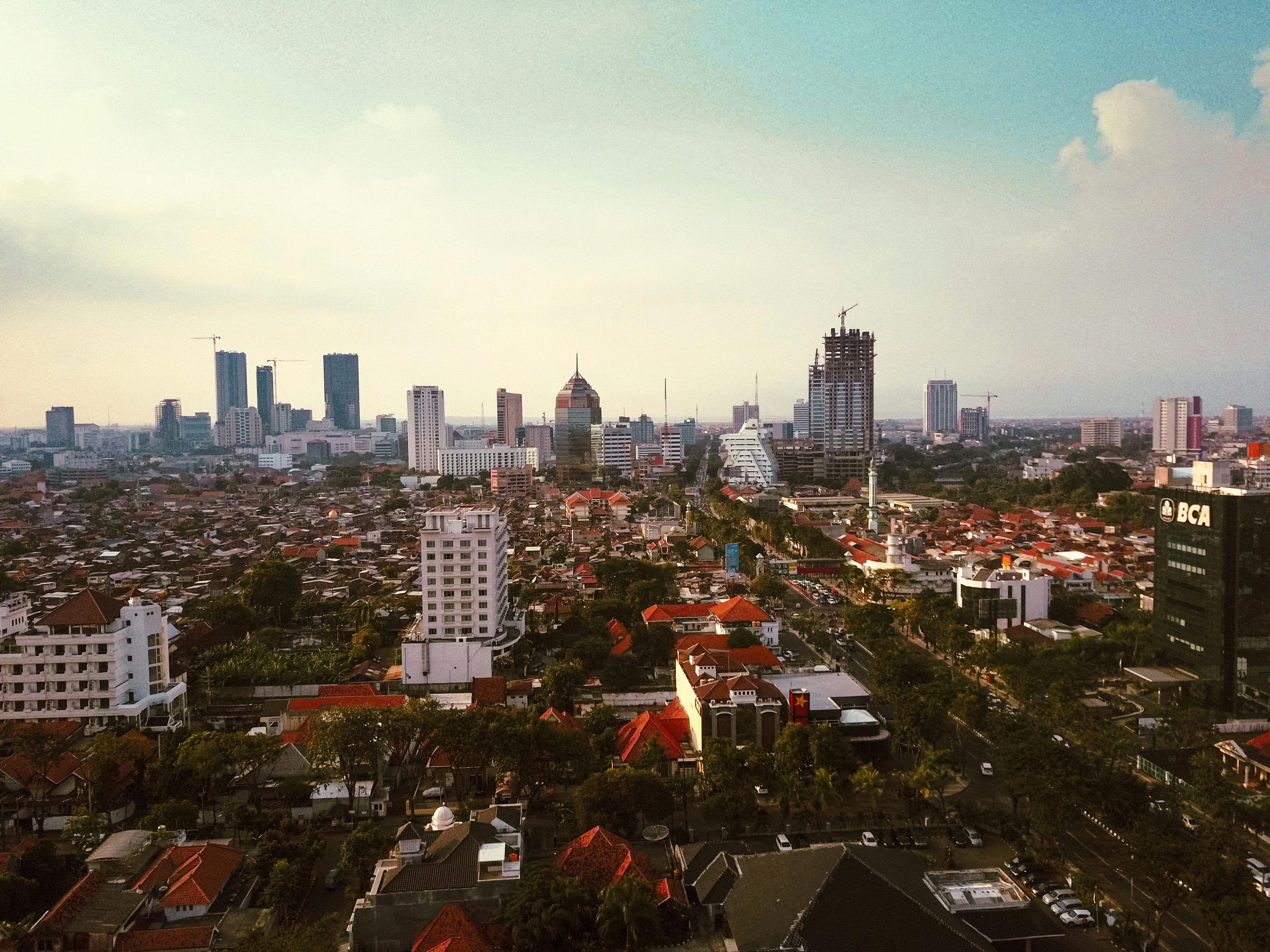 Surabaya
Image by:Ferdinand F Eman
Surabaya
Image by:Ferdinand F Eman
 Philadelphia
Image by:Kelly
Philadelphia
Image by:Kelly
Comments for this comparison