





Johannesburg vs. Yongzhou: Detailed 2026 Cost of Living & Quality Comparison
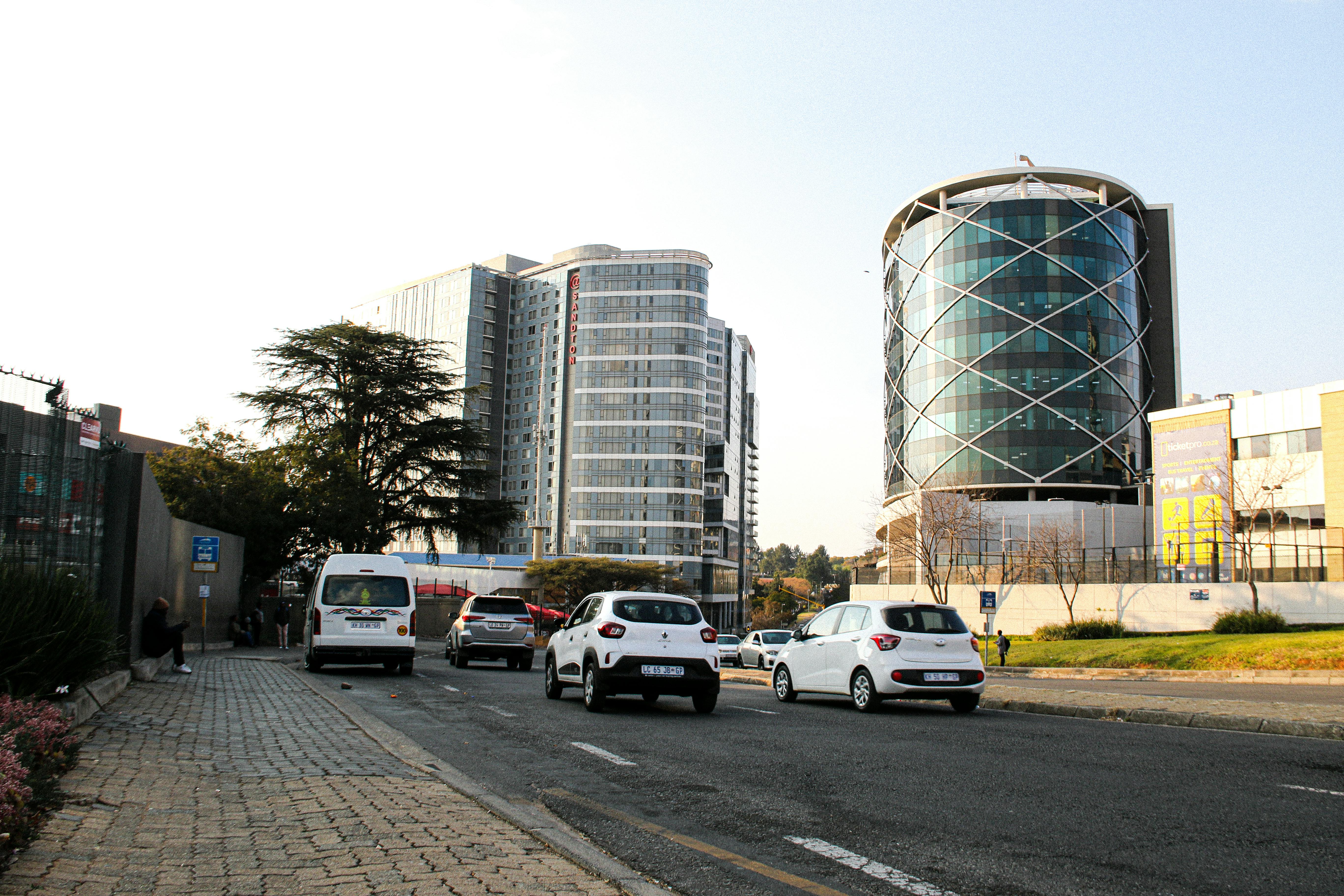 Johannesburg
Image by:Ministar Samuel
Johannesburg
Image by:Ministar Samuel
Overview
Johannesburg, the largest city in South Africa with a population exceeding 7.8 million, presents a complex urban landscape characterized by significant economic activity alongside substantial socio-economic disparities. Its GDP per capita stands at $13,700, reflecting a major economic hub in Africa. Yongzhou, a city in China with a population of approximately 5.3 million, operates within a different global economic context, though specific GDP figures are not provided in the data. The fundamental difference between these two cities lies in their geographical locations, economic structures, and the overall cost of living and quality of life metrics provided. Johannesburg exhibits a higher cost of living index (41.55) compared to Yongzhou (14.7), suggesting that daily expenses, including housing, food, transportation, and general services, are significantly more expensive in Johannesburg on a global scale. Furthermore, Johannesburg's property prices, particularly in central areas, are substantially higher, with a price per square meter of $1,055.51 versus the data being unavailable for Yongzhou. The economic profiles differ markedly, with Johannesburg having a much higher average net salary ($1,621.55 USD monthly) compared to the implied salary from the mortgage interest rate context in Yongzhou, despite the latter's lower cost of living. This combination of higher income and higher expenses creates a distinct financial environment in each city.Economic/Housing Comparison
The economic landscape between Johannesburg and Yongzhou reveals stark contrasts primarily driven by their respective national economies and cost structures. Johannesburg boasts a significantly higher average monthly net salary after tax, at $1,621.55 USD, compared to the much lower salary levels implicitly suggested by the lower mortgage interest rate in Yongzhou (3.46%). However, this higher income is matched by a correspondingly higher cost of living index of 41.55 in Johannesburg versus 14.7 in Yongzhou, indicating that while salaries are higher in Johannesburg, the expenses required to maintain a standard of living are also substantially greater. Housing costs in Johannesburg are markedly more expensive, with even city-center apartments averaging $503.37 USD per month, significantly higher than the implied costs in Yongzhou where specific rent figures are not provided. The purchase price for an apartment in Johannesburg's city center is $1,055.51 per square meter, a figure not available for Yongzhou. The lower mortgage interest rate in Yongzhou (3.46%) suggests potentially more affordable borrowing costs for property purchases, but without specific price data, a direct comparison of housing affordability is challenging. Johannesburg's GDP per capita ($13,700 USD) is considerably higher than what can be inferred for Yongzhou from the available data, reflecting a larger and more diversified economy, albeit one facing significant internal challenges.Quality of Life Indicators
The quality of life in Johannesburg and Yongzhou presents a complex picture influenced by various socio-economic factors. Johannesburg faces significant challenges, reflected in its lower safety index (1.2/100) compared to Yongzhou's higher safety index (not provided, but potentially indicating a safer environment). Healthcare access and quality are difficult to directly compare due to the lack of specific healthcare index data for both cities. Johannesburg's lower property prices in more affluent suburbs (e.g., Sandton at 21.96) compared to central Johannesburg suggest potential disparities in service quality or safety within the city itself. Commute times are notably longer in Johannesburg, with an average reported at 55 minutes, significantly exceeding the likely shorter average in Yongzhou. The higher crime rate and potentially higher levels of social inequality in Johannesburg create a different urban experience than might be found in a city like Yongzhou, although direct comparisons on most quality metrics are hampered by missing data for the latter city.Investment and Career Prospects
Considering investment and career opportunities, Johannesburg offers a potentially more dynamic market, albeit with higher risks and costs. The higher average salary ($1,621.55 USD) in Johannesburg suggests greater potential earnings, though the high cost of living may erode this advantage. The significantly higher mortgage interest rate (9.31%) in Johannesburg compared to Yongzhou's 3.46% indicates a potentially less favorable environment for property investment and borrowing in South Africa. Career prospects in Johannesburg are tied to its status as a major African economic center, offering access to larger markets and diverse industries, but potentially facing more intense competition and greater income inequality. Yongzhou's lower cost of living combined with a lower interest rate might offer a more stable financial environment for long-term investment or relocation, but the data lacks specifics on job market opportunities, salary growth potential, and industry diversity in the city, making a comprehensive comparison of career prospects difficult based solely on the provided information.Final Verdict
In conclusion, Johannesburg and Yongzhou represent vastly different urban environments with distinct economic profiles, cost structures, and quality of life factors. Johannesburg is a major African economic hub with higher average salaries but significantly higher costs for living, particularly housing, and longer commute times. It faces challenges related to safety and inequality. Yongzhou, while part of a large and rapidly developing economy, appears to have a substantially lower cost of living and potentially lower property prices, though detailed economic and quality-of-life data for the latter city is limited. The choice between these two cities would depend heavily on individual priorities regarding career opportunities, financial stability, lifestyle preferences, and tolerance for higher costs or potentially higher risks associated with inequality in Johannesburg. The data provided highlights the significant gap in living expenses and the different economic contexts, making direct investment and relocation decisions complex without further specific information on job markets and quality-of-life nuances in Yongzhou.Last updated: 2026-03-07
Comments for this comparison