Overview
Cost of Living Index33.5 / 87.8 Bogota Singapore
h2
Bogota, Colombia, with a population of approximately 8 million, represents a developing South American metropolis characterized by significantly lower living costs compared to the highly developed, compact island nation of Singapore, home to around 6 million people. Economically, Bogota operates with a GDP per capita of $18,700, reflecting its status as a developing city, whereas Singapore boasts a substantially higher GDP per capita of $127,500, indicative of its advanced economy and high standard of living. This fundamental economic disparity translates directly into a vast difference in the cost of living and property values. While Bogota offers significantly more affordable options for housing, food, transportation, and daily expenses, Singapore presents a much more expensive environment across all categories, particularly for housing and international schooling. Furthermore, Singapore demonstrates a higher population growth rate (0.87%) compared to Bogota (0.48%), suggesting slightly stronger demographic momentum, though both cities face unique challenges related to their respective sizes and economic structures.
Economic & Housing Comparison
Health Care Index66 / 71.9 Pollution Index69.3 / 32.3 Bogota Singapore
h2
The economic landscape between Bogota and Singapore is starkly contrasted. Bogota's average net salary after tax stands at $502 per month, a figure significantly lower than Singapore's $4,256. This substantial difference in income directly impacts the affordability of housing and other living expenses. Property prices in Bogota are considerably more accessible, with the price per square meter for an apartment in the city center being $2,122 compared to the exorbitant $23,609 in Singapore. Even apartments located outside the central business district in Bogota remain much more affordable than their counterparts in Singapore. The required down payment for a property in Bogota would be far lower due to the cheaper property prices, even considering the higher mortgage rates. Bogota's mortgage interest rate is 12.43%, substantially higher than Singapore's 2.75%, reflecting the greater risk profile and less developed financial markets in Bogota. This combination of lower property values and higher interest rates makes homeownership potentially less attractive in Bogota compared to Singapore, despite the lower down payment requirement, especially for international buyers or those seeking long-term security in a developing market.
Quality of Life Comparison
Property Price to Income Ratio17.7 / 23.4 Purchasing Power Index43.1 / 112.1 Bogota Singapore
h2
When evaluating quality of life, significant differences emerge between Bogota and Singapore. Safety is a major differentiator, with Bogota's Safety Index at 33.33 (out of a possible 100, where higher is better) compared to Singapore's considerably higher Safety Index of 77.66. This suggests a vastly superior security environment in Singapore. Healthcare accessibility and quality also differ markedly, reflected in the Health Care Index, where Bogota scores 49.00 and Singapore scores 71.88, indicating Singapore offers significantly better healthcare outcomes and services. Environmental factors, particularly air quality, show Singapore performing much better with a Pollution Index of 32.3 compared to Bogota's 57.45 (lower index generally means less pollution). While Bogota's lower Cost of Living Index (33.48) indicates significantly cheaper expenses for daily life, this advantage is heavily counterbalanced by the inferior performance in safety, healthcare, and environmental quality compared to Singapore. The Climate Index further highlights this divergence, with Bogota scoring 57.45 and Singapore 32.3, reflecting vastly different living conditions and potential discomforts related to weather.
Investment & Career Prospects Comparison
Quality of Life Index99.7 / 157.3 Bogota Singapore
h2
Singapore presents a compelling case for investment and career advancement, driven by its highly developed economy, stable political environment, and robust infrastructure. With a GDP per capita nearly seven times higher than Bogota's, Singapore offers significantly greater economic productivity and opportunities for career growth and higher earnings potential. The city-state's advanced infrastructure, including world-class transportation systems, communication networks, and business-friendly policies, creates a highly attractive environment for international businesses and skilled professionals. The lower mortgage rate in Singapore (2.75%) combined with higher salaries makes property ownership feasible for a larger segment of the population compared to Bogota, despite the high property prices. Conversely, Bogota offers substantially lower investment barriers, particularly for real estate, but within a developing economy context. Career prospects in Bogota, while potentially offering lower starting salaries, might present opportunities in growing sectors or for those prioritizing lower cost of living, but the overall earning potential and job security are considerably lower than in Singapore.
Final Verdict
Traffic Commute Time Index51.4 / 41 Bogota Singapore
h2
In conclusion, the comparison between Bogota and Singapore reveals two vastly different urban environments catering to distinct priorities. Bogota offers a significantly lower cost of living, particularly concerning housing, making it an attractive option for those prioritizing affordability. However, this comes at the cost of lower economic productivity, higher crime rates, potentially inferior healthcare and environmental quality, and fewer career advancement opportunities. Singapore, while extremely expensive, particularly for housing and international schooling, provides a high standard of living, superior safety, healthcare, and infrastructure, coupled with greater economic opportunities, higher earning potential, and more stable property markets (despite high prices). The choice between these two cities hinges critically on individual priorities: those seeking affordability and lower economic pressures might find Bogota suitable, while those prioritizing career growth, quality of life, security, and higher earning potential will generally find Singapore the superior choice, despite its substantial financial demands.






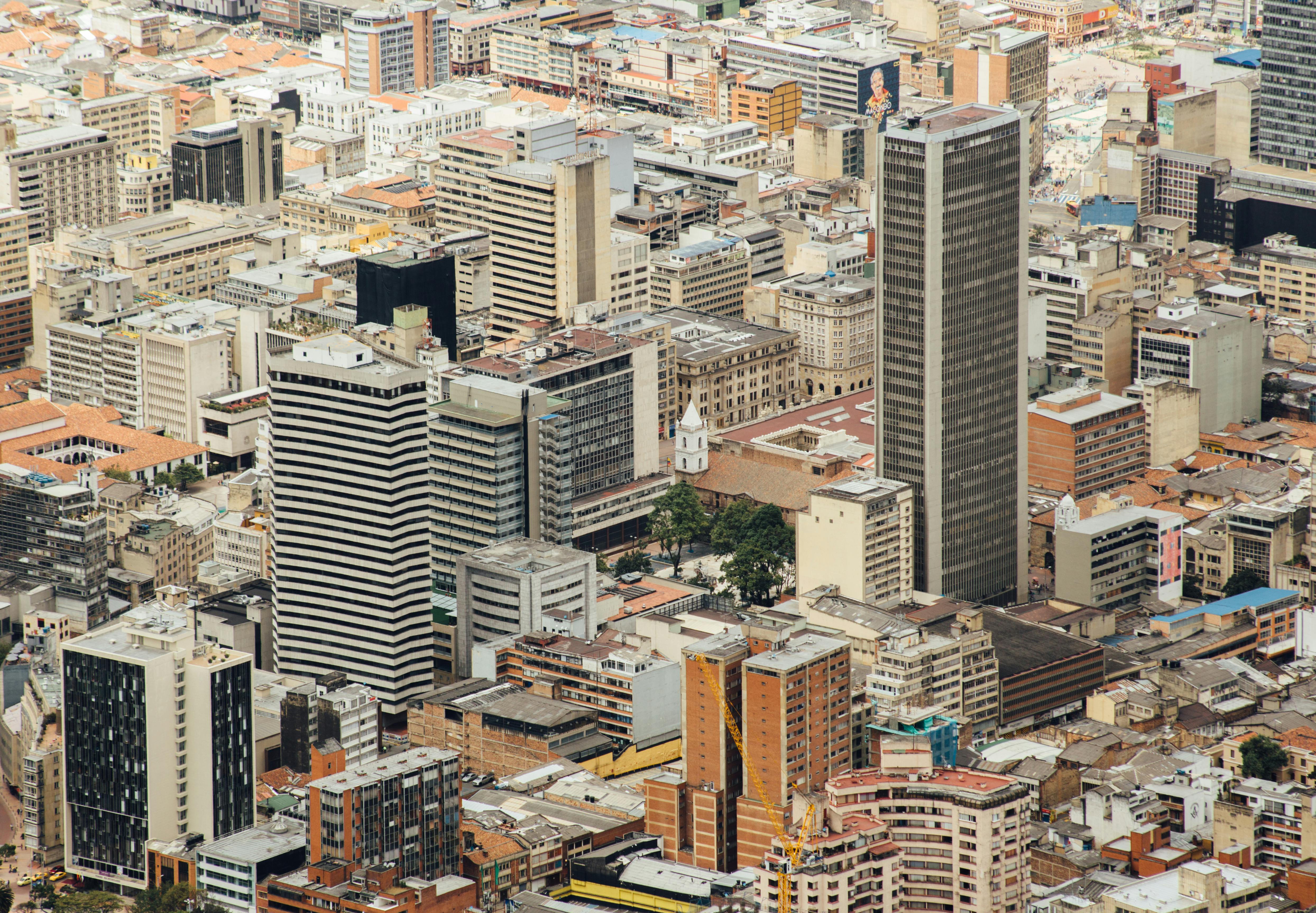 Bogota
Image by:Daniel Cely
Bogota
Image by:Daniel Cely
 Singapore
Image by:Cyrill
Singapore
Image by:Cyrill
Comments for this comparison