
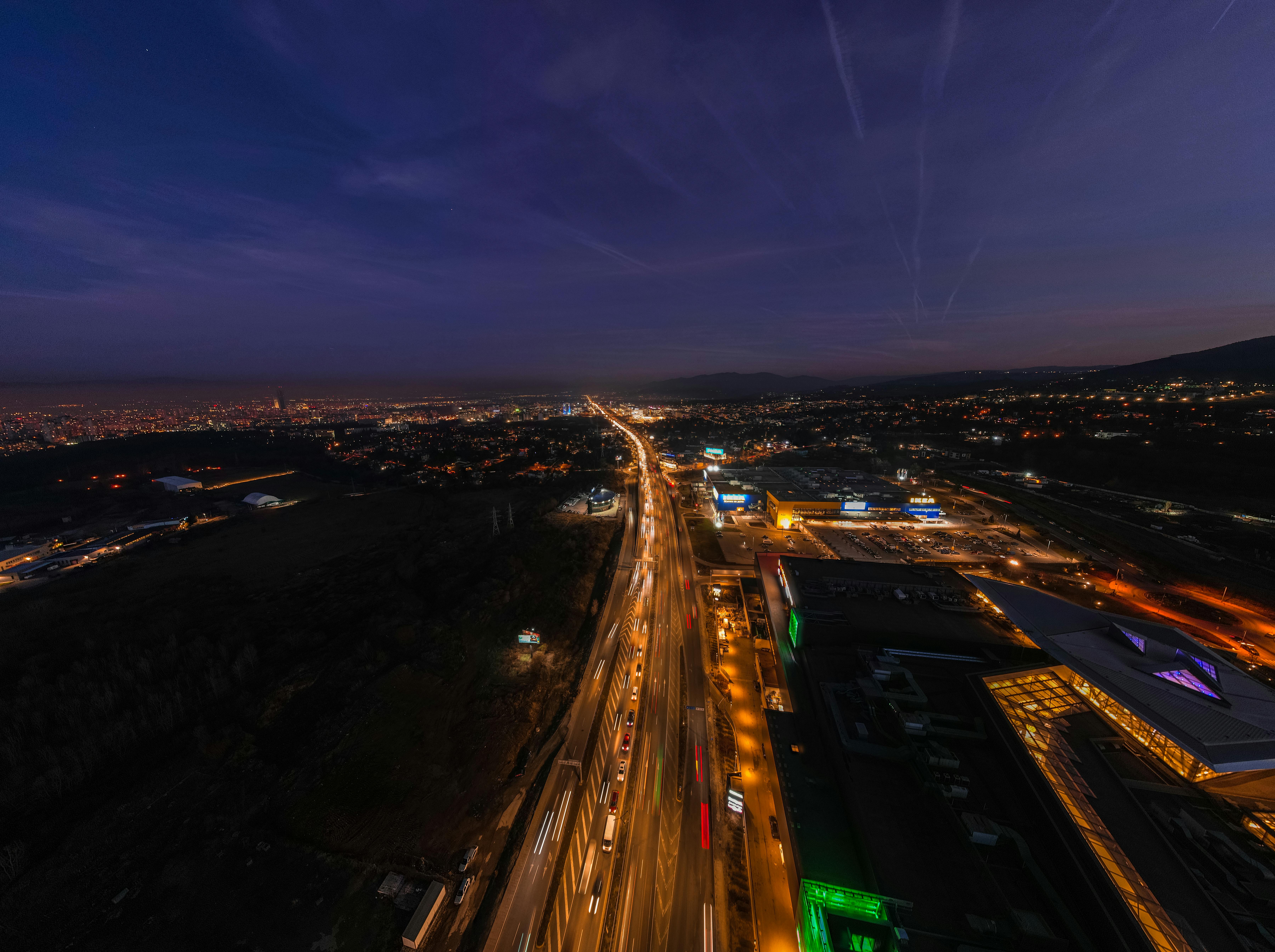
Is Sofia safe for tourists?
Sofia, the capital of Bulgaria, is generally a safe city to visit. Like any major urban center, it has its share of potential risks, but these are manageable with common sense and awareness. Tourists should feel comfortable exploring this vibrant city while taking some basic precautions.
General safety in Sofia
Sofia is known for being a friendly and welcoming city. The locals are generally helpful to tourists, which can make navigating the city easier. However, as with any travel destination, it's important to stay alert and aware of your surroundings. Common sense goes a long way in ensuring safety.
Safety during the day and at night
During the daytime, Sofia is bustling with activity, from busy streets filled with pedestrians to public transportation that runs frequently. It’s safe to walk around most areas, especially popular tourist spots like Boyana Church or the National Palace of Culture. At night, while the city remains lively in certain parts, it's wise to stick to well-lit and populated areas.
Bars, restaurants, and clubs tend to stay open late, making nightlife vibrant but also requiring extra caution. It’s a good idea to use reliable transportation options like taxis or ride-sharing apps when heading back home after dark.
Areas and situations to be careful about
Sofia is generally safe throughout the day, but there are some areas that visitors should approach with more caution. The city center around the National Palace of Culture and the Vitosha Boulevard area are vibrant during both daytime and evening hours.
In contrast, less frequented neighborhoods like Kremikovtsi and Zaimov may be best avoided late at night or early in the morning when fewer people are around. As a general rule, it’s always better to stay in well-lit areas with plenty of pedestrian traffic.
Safety tips for first-time visitors
- Keep valuables secure: It's important to keep your wallet and other valuable items out of sight. Use a money belt or hidden pouch to store cash, credit cards, and travel documents safely.
- Use reliable transport: Stick to official taxis or reputable ride-sharing services like Uber or Bolt for safe transportation around the city. Avoid unmarked vehicles or drivers who approach you on the street.
- Stay aware at night: At night, it’s wise to avoid isolated areas and stick to well-lit streets with plenty of people around. Keep your phone charged and have a local contact number handy in case of emergencies.
- Check local advice: Before you travel, check the latest safety information from reliable sources like the Bulgarian Ministry of Foreign Affairs or the U.S. Department of State for any specific advisories or warnings about Sofia.
Is Sofia safe for families?
Sofia is a family-friendly city with plenty to offer visitors of all ages. The National History Museum and the Boyana Church are great places to start, offering educational experiences in beautiful settings. Parks like Vitosha Park provide opportunities for outdoor activities such as hiking or picnicking.
Parents should be mindful of their children's safety by keeping them close in crowded areas and ensuring they know basic safety rules. It’s also a good idea to carry a first-aid kit, especially if you plan on spending time outdoors.
Final recommendation
In conclusion, Sofia is a safe city for tourists when common sense precautions are taken. By staying aware of your surroundings and following the tips outlined above, you can enjoy all that this historic capital has to offer without undue worry about safety issues.
FAQ
- Is Sofia safe at night? While Sofia remains relatively safe at night, it’s advisable to stay in well-lit and populated areas. Use reliable transportation options like taxis or ride-sharing services when heading back home after dark.
- Is Sofia safe for solo travelers? Yes, Sofia is generally safe for solo travelers as long as you exercise caution and common sense. Stick to busy streets and popular tourist spots during the day and use reputable transport options at night.
- What should tourists avoid in Sofia? Tourists should be cautious of isolated areas late at night or early morning, especially in less frequented neighborhoods like Kremikovtsi and Zaimov. It’s best to stay in well-lit and populated areas with plenty of pedestrian traffic.