
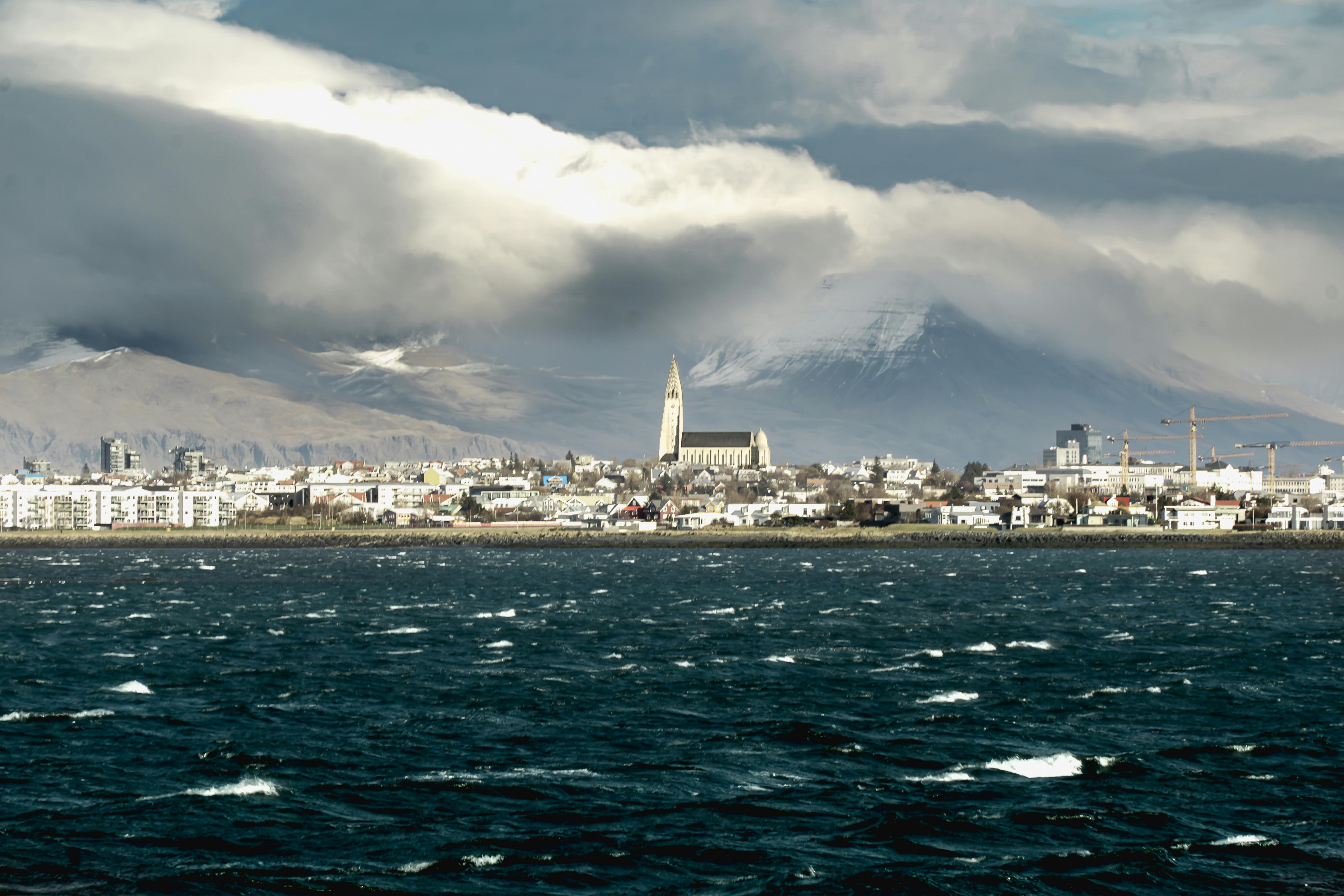
Is Reykjavík expensive?
Reykjavík, the capital of Iceland, is often perceived as an expensive destination due to its high costs in various areas. This perception can be a deterrent for budget-conscious travelers and expats alike.
What makes Reykjavík feel expensive?
The costliness of Reykjavík stems from several factors including accommodation, transportation, food, and lifestyle choices. The city's small size and high demand for services in tourist areas contribute to inflated prices. Additionally, the remote location and limited import options drive up costs for everyday items.
Accommodation
Housing in Reykjavík is notoriously pricey due to a combination of low supply and high demand from both tourists and expats. Even budget-friendly hotels can be costly compared to other European capitals.
Transportation
Taking public transportation or renting a car can also add up quickly, especially if you plan on exploring beyond the city limits. The cost of fuel is particularly high in Iceland due to import taxes and limited competition.
Food
Eating out in Reykjavík tends to be expensive as well. Fresh seafood, a staple in Icelandic cuisine, comes with a premium price tag. Dining at local restaurants can easily exceed expectations for daily food expenses.
Top things to do in Reykjavik
Guided tours, attractions and local experiences.
Explore tours & activitiesWhat can still be affordable?
Despite the high costs, there are ways to keep your budget under control while enjoying Reykjavík's unique offerings. By being mindful of spending and making smart choices, you can have a memorable experience without breaking the bank.
Affordable Activities
Museums and cultural sites often offer free admission or discounted entry for certain days. Exploring nature trails and parks is another cost-effective way to enjoy the city's surroundings.
Budget travel tips for Reykjavík
- Compare accommodation: Look beyond hotels; consider hostels, Airbnb options, or even couchsurfing if you're comfortable with it. Booking in advance can also help secure better rates.
- Avoid unnecessary peak dates: Travel during the shoulder seasons (April to May and September to November) when prices are lower and crowds thinner.
- Use practical areas: Stay outside of central Reykjavík in neighborhoods like Grandi or Laugardalur, which offer more affordable lodging options while still being close enough to the city center.
- Plan daily transport: Purchase a public transportation card for unlimited travel within the city. Alternatively, consider walking or biking as viable and cost-effective alternatives.
Who may find Reykjavík expensive?
Tourists with limited budgets might struggle to manage expenses in Reykjavík due to its high costs across multiple categories. Additionally, expats who are not accustomed to the local currency's value and exchange rates can face financial challenges.
Who may find Reykjavík reasonable?
Budget-conscious travelers who plan ahead and stick to a strict itinerary might find Reykjavík more affordable than expected. Similarly, those with flexible schedules willing to explore off-the-beaten-path attractions will likely enjoy the city without excessive spending.
Final recommendation
If you're planning a trip to Reykjavík, it's crucial to research thoroughly and prepare accordingly. By choosing economical accommodation options, avoiding peak travel times, utilizing public transport, and opting for free or low-cost activities, you can enjoy the city without overspending.
FAQ
- Is Reykjavík expensive for tourists? Yes, Reykjavík is generally considered an expensive destination due to high costs in accommodation, food, and transportation. However, with careful planning, it's possible to manage expenses effectively.
- How can I save money in Reykjavík? To save money, consider staying outside the city center, using public transport or walking, eating at local cafes instead of restaurants, and visiting attractions during off-peak hours.
- Is accommodation the biggest cost? While accommodation is often a significant expense, it's not necessarily the largest. Food costs can also be substantial, especially if dining out frequently.