
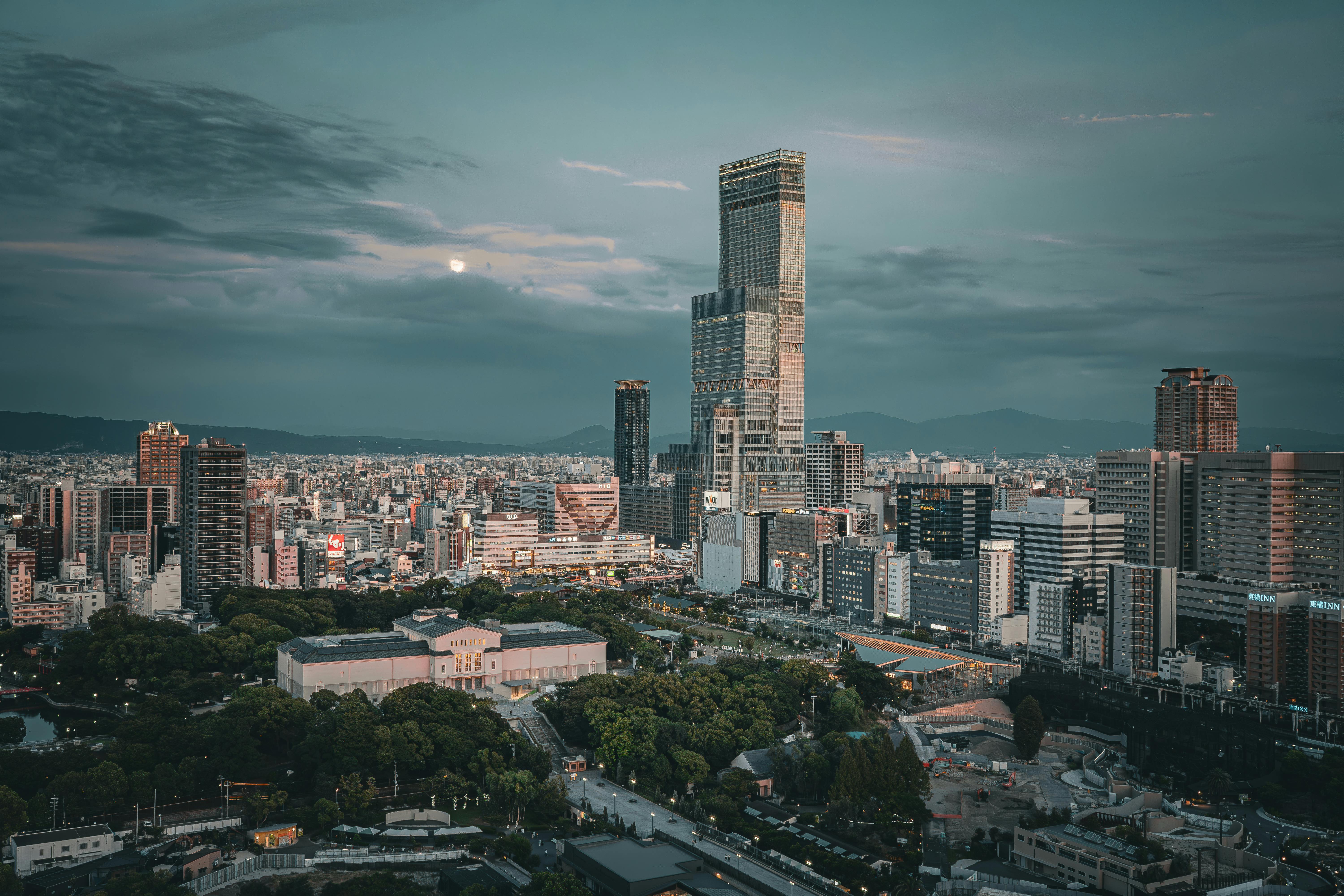
Is Ōsaka expensive?
When it comes to traveling to Ōsaka, Japan's third-largest city, many people wonder about its affordability. Whether you're a tourist looking for a quick getaway or an expat planning a long-term stay, understanding the cost of living in Ōsaka is crucial.
What makes Ōsaka feel expensive?
Ōsaka can seem pricey due to several factors. Accommodation costs are often high, especially in popular tourist areas like Namba and Umeda. Public transport, while efficient, comes with its own set of expenses, particularly if you're not familiar with the local transit system. Dining out in Ōsaka's bustling food scene can also add up quickly, given the city's reputation for gourmet cuisine.
Additionally, lifestyle choices play a significant role. For instance, shopping in luxury districts like Shinsaibashi and entertainment in trendy areas like Dōtonbori can easily inflate your budget if you're not careful.
What can still be affordable?
Despite the initial impression of high costs, Ōsaka offers numerous ways to keep expenses under control. For starters, there are plenty of budget-friendly accommodations available outside peak tourist areas. Public transport options like the city's extensive subway system and local buses offer cost-effective ways to get around.
Cheaper dining alternatives abound too; street food stalls, izakayas (Japanese pubs), and casual restaurants provide affordable yet delicious meals. Moreover, many attractions in Ōsaka are free or have discounted entry fees for visitors who plan ahead.
Budget travel tips for Ōsaka
- Compare accommodation: Look beyond the usual tourist spots and consider staying in areas like Kita Ward or Sumiyoshi Ward, where you can find more affordable lodging options. Booking through platforms that offer discounts or early bird specials can also help.
- Avoid unnecessary peak dates: Traveling during off-peak seasons can significantly reduce accommodation costs and avoid crowds at popular attractions. Spring (March to May) and autumn (September to November) are particularly pleasant times to visit Ōsaka without the high prices of summer or winter.
- Use practical areas: Opt for neighborhoods like Tennoji, which is less touristy but still offers easy access to major attractions. This area also has a mix of budget-friendly accommodations and dining options.
- Plan daily transport: Consider purchasing a prepaid IC card like the ICOCA or SUICA, which can be used on trains, buses, and even some vending machines. These cards often offer discounts compared to buying individual tickets.
Who may find Ōsaka expensive?
Tourists who stick strictly to high-end hotels, dine exclusively at upscale restaurants, and indulge in luxury shopping will likely find their expenses mounting quickly. Similarly, those who visit during peak holiday seasons or rely heavily on taxis for transportation might struggle with the costs.
Who may find Ōsaka reasonable?
Budget-conscious travelers who plan ahead and are willing to explore beyond tourist hotspots can enjoy a more affordable experience in Ōsaka. Flexible visitors who adapt their schedules around off-peak times and local events will also benefit from lower costs.
Final recommendation
In conclusion, while Ōsaka may seem expensive at first glance, it's possible to have an enjoyable stay without breaking the bank by making smart choices about where you eat, sleep, and explore. With a bit of planning and flexibility, visitors can experience all that this vibrant city has to offer within their budget.
FAQ
- Is Ōsaka expensive for tourists? Yes, Ōsaka can be pricey if you stick to high-end options. However, with careful planning and a willingness to explore beyond the usual tourist spots, it's possible to enjoy your trip without excessive spending.
- How can I save money in Ōsaka? To save money, consider staying in less expensive neighborhoods, using public transport instead of taxis, dining at casual eateries rather than upscale restaurants, and visiting during off-peak seasons. Also, take advantage of free or discounted attractions.
- Is accommodation the biggest cost? While accommodation can be pricey, especially in prime locations like Namba or Umeda, it's not necessarily the largest expense for everyone. Dining out and transportation costs also add up quickly depending on your lifestyle choices during your stay.